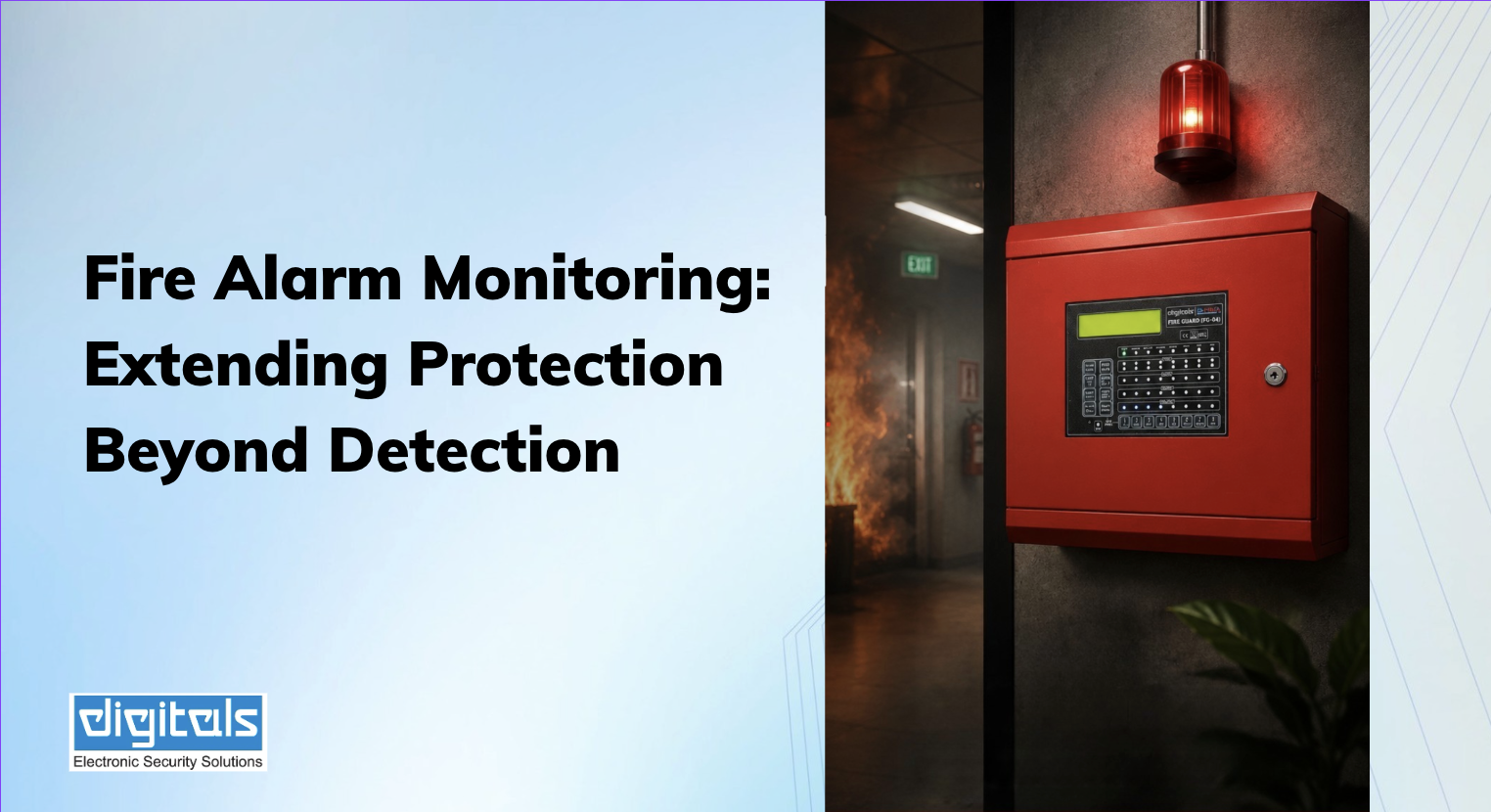
A fire alarm system is designed to detect smoke, heat, or fire and alert occupants within a building. However, detection alone is not always enough, especially when premises are unoccupied, operating after hours, or spread across multiple locations. This is where Fire Alarm Monitoring plays a critical role.
Fire alarm monitoring connects the fire alarm system to a central monitoring station or command center that receives real-time alerts whenever a fire, fault, or system abnormality occurs. As soon as an alarm is triggered, trained operators can verify the event, notify designated personnel, and initiate emergency response procedures without delay.
In addition to fire alerts, modern monitoring solutions can also track the health of the fire alarm system itself. Faults such as detector failures, communication issues, power outages, low battery conditions, or disabled devices can be identified immediately, helping reduce downtime and improve system reliability.
For organizations with multiple branches, factories, warehouses, banks, schools, hospitals, or commercial buildings, fire alarm monitoring provides centralized visibility and faster response. It ensures that critical fire safety systems remain operational and that emergencies are acted upon even when no one is present on-site.
By combining early fire detection with real-time monitoring, organizations can improve compliance, reduce risk, protect valuable assets, and most importantly, safeguard lives.

Backed by quality and proven by experience, Digitals India Security Products Pvt Ltd is ISO 9001:2015 certified and has over three decades of experience in the security industry.
Digitals India Security Products Pvt. Ltd. C-22, Sector-63, Noida, Gautam Buddha Nagar, Uttar Pradesh, 201301, India
sales1@digitalsindia.com
info@digitalsindia.com
+91 120-4202273,
+91-9355830975